- Home
- Insurance
We handle the claim. You keep the choice.
Hi-Tech works with all insurance companies, from the first estimate to the final supplement. Usually we only need your claim number.
Know your legal right to choose.
The state doesn't allow insurers to direct, steer or refer you to a particular shop. Some use carefully worded scripts to make you think you have to. You don't.
- By law, you may have your car towed to and repaired at any facility you choose.
- Only one estimate is required to determine the amount of damage.
- Check with your agent whether a rental car is covered under your policy.
- Make sure the insurance company pays for all covered repairs.
- Call your insurer and tell them where you want the car repaired.
- Ask a shop every question you have, until you're comfortable. Your future safety depends on the workmanship.
How the estimate works
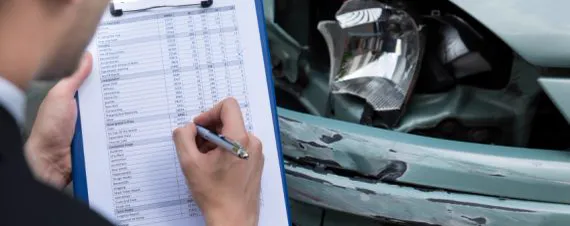
The repair starts before you leave your car. We have good relationships with all insurers and are a direct repair facility for many of them, so we help write the estimate, handle the claim and negotiate to make sure your car is repaired properly.
Depending on cost, some insurers pay straight from our estimate. Others send their own appraiser. When they do, we need a copy of their estimate: their first check is based on it, so knowing what they saw and paid for lets us handle any supplemental charges for you.
Rhode Island's Motorists Bill of Rights says you don't have to collect multiple estimates for the paying party. Some companies imply otherwise. They're wrong.
Most shops ask you to chase the insurance estimate and reimbursement yourself. We know who to call and what to ask, and we start the process that gets your car back on the road.
Direct repair shops: good or bad?
Insurers call them service first, pro shop, blue ribbon shop. Before you agree to one, know what those shops usually agreed to in return for the referrals.
A typical DRP agreement
- Substantial discounts to the insurance company
- Repair scope limited to what the insurer's rep defines, so hidden damage can go unrepaired
- Parts and materials chosen by the insurer
- Backing the insurer if you dispute the claim
Our position on economy parts
"Economy parts" means aftermarket or imitation body parts. There's extensive evidence they fall short in fit, finish, corrosion resistance and crash integrity, and the future safety of your passengers can depend on that.
We strongly recommend against using them.
We're not saying DRP shops do inferior work. We want you to understand why an insurer might steer you toward one.
Choosing a collision shop
Next to your home, your car is probably the biggest purchase you'll make. Shops differ in rates, practices and how they write estimates, so the cheapest-looking quote may not be once everything is counted.
If you can, drop by, see the facility and get a quote. The average repair takes about two weeks, so line up a rental. You can always check a shop's record with the Better Business Bureau.
Hours and convenience
What are their hours, and do they fit your schedule? Is there drop-off or late pickup? Is there a promised completion date?
Getting around meanwhile
Do they offer a loaner vehicle while your car is being repaired?
Warranty
How long is the work guaranteed? Is there a lifetime guarantee, and does it cover paint, repairs and labor? (Ours is a 100% guaranteed lifetime warranty.)
People and experience
What are the technicians' qualifications? How long has the company been in business?
Equipment
What repair equipment do they use? Is it current? Do they guarantee the color match? Do they use laser measuring?
Cost and location
Where is the shop, and what will it cost? Compare shops on a level playing field before you commit.